Recycling and Sustainability at Man And Van Belgravia
 At Man And Van Belgravia, sustainability is not an afterthought; it is built into the way we plan every move, collection, and disposal. Our recycling and sustainability approach is designed to reduce landfill use, support local reuse networks, and keep valuable materials in circulation for as long as possible. Working across Belgravia and the surrounding central London districts means operating in an area where waste separation standards are already high, so we align our service with local borough expectations for sorting mixed recyclables, food waste, cardboard, metals, and electrical items. Our target is ambitious: we aim to recycle or reuse at least 90% of recoverable waste from suitable household and office clearances, depending on item condition and current transfer-station processing routes.
That target is supported by careful on-site segregation. Before anything leaves the property, our team separates items into streams such as wood, metals, textiles, WEEE items, green waste, and general residual waste. In areas like Belgravia, where many properties are managed with strict collections and limited storage space, this sorting is especially important because it prevents contamination and improves the chance of successful recovery. We also pay attention to borough-led separation practices, including the usual distinctions between dry mixed recycling and non-recyclable waste, so that each load can be directed to the most suitable destination.
Our sustainability work also includes reusing what we can. When furniture, household goods, or office equipment still have life left in them, we prioritise donation and resale routes rather than disposal. This means that a solid wooden table, a filing cabinet, or a set of usable kitchen items may be passed on to a second user instead of becoming waste. Reuse is often the cleanest form of recycling, because it avoids the energy and transport needed to process materials again. In a central area like Belgravia, where moves often involve premium furnishings and quality fixtures, this reuse-first approach makes practical and environmental sense.
 To support these efforts, we use local transfer stations and authorised waste facilities that are suited to central London logistics. These facilities help sort incoming loads into recoverable material streams, including cardboard, plastics, metals, soils, timber, and mixed construction debris. By using transfer stations close to our operating routes, Man And Van Belgravia can reduce unnecessary mileage and keep collections efficient. Local transfer stations also allow us to consolidate loads from smaller collections, which improves processing rates and lowers emissions per item collected. Where possible, we choose facilities that prioritise recycling over disposal and operate in line with current environmental compliance standards.
Our partnerships with charities are another important part of the service. Rather than sending serviceable items straight to waste handling, we work with community organisations, donation partners, and charitable reuse channels whenever items are suitable for a second home. This can include sofas that meet fire-safety and condition requirements, office chairs, books, crockery, clothes, small appliances, and other household items. Such partnerships support local communities while extending the useful life of goods. They also help reduce the pressure on borough recycling systems by diverting reusable items away from disposal streams. In a neighbourhood where many residents prefer responsible, low-impact moving services, charity collaboration is a practical and ethical solution.
We also recognise that different material types need different recycling pathways. For example, electrical waste must be handled separately from general household rubbish, while metals and cardboard are best processed cleanly and without food contamination. In London boroughs, waste separation is increasingly structured around these distinctions, and our team reflects that approach in the way we load and label materials. During office clearances, we often identify computer equipment, printers, cables, and monitors for specialist WEEE processing, while packaging materials are flattened and consolidated for paper and cardboard recovery. This attention to detail improves recycling outcomes and supports a more circular local economy.
 Our fleet is equally important to the overall environmental picture. We invest in low-carbon vans that are selected for fuel efficiency, lower emissions, and suitability for central London driving conditions. These vehicles are maintained regularly to keep them operating efficiently and are planned strategically to reduce unnecessary idling, repeated journeys, and congestion-related emissions. Because Belgravia collection routes often involve narrow streets, controlled parking areas, and time-sensitive access windows, route planning plays a major role in reducing our carbon footprint. Fewer wasted miles mean lower emissions and a more sustainable moving service overall.
The same principles apply to how we handle heavy or awkward loads. Rather than making multiple partial trips, we aim to optimise van capacity while still protecting items safely. This approach reduces fuel consumption and supports our recycling targets by allowing materials destined for the same recovery route to travel together. It also means we can better manage mixed loads from flat clearances, basement removals, and small office moves without compromising waste separation. Every journey is assessed with both efficiency and environmental impact in mind.
Another part of our sustainability policy is encouraging responsible preparation before a move or clearance. Clients in Belgravia often generate a mix of packaging, old furnishings, and storage contents, so we focus on making sure each material type is directed correctly. Cardboard and paper are kept dry and compact, metals are grouped for recovery, and reusable household goods are isolated from disposal items. This careful handling supports the borough approach to waste separation and helps the local recycling chain function more effectively. It is a simple but important way to increase the amount of material that can be recovered.
 In practice, our sustainability commitments are about more than compliance. They reflect a broader responsibility to the area we serve and the people who live and work here. Belgravia is part of a wider central London environment where space is limited, recycling performance matters, and every vehicle movement has a cost. By combining reuse partnerships, transfer-station sorting, and low-carbon vans, Man And Van Belgravia offers a moving and clearance service that supports modern environmental priorities. We believe this approach helps clients make more sustainable choices without adding complexity to their day.
We also review how different waste streams perform so we can continue improving. If a particular load contains a high proportion of timber, we look for the best recycling route for wood recovery. If a move includes more textiles or soft furnishings, we seek outlets that can handle those materials appropriately. Mixed waste is treated carefully to maximise recovery and minimise residual disposal. This ongoing attention helps us maintain our recycling percentage target and adapt to changing local facilities and borough collection rules. Continuous improvement is central to our sustainability strategy.
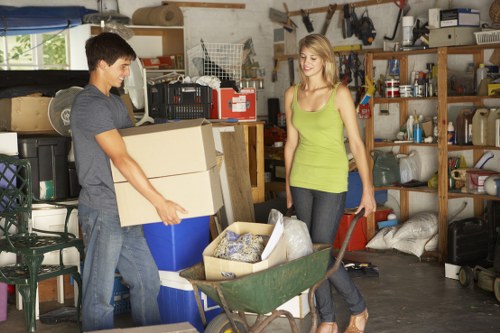 For customers seeking a greener choice in the area, our recycled and reused outputs, charity collaborations, and lower-emission transport all contribute to a more responsible service. Whether we are clearing a mews house, assisting with a residential move, or managing an office relocation, we aim to ensure that each job leaves a smaller environmental footprint. Man And Van Belgravia is committed to practical sustainability: separating waste properly, supporting local reuse, using efficient transfer routes, and operating vans that reduce carbon impact. In a borough-aware city setting, those choices make a real difference.